CIS Liepāja and NorSAF: a practical link between green hydrogen and eSAF in Liepāja
A new cooperation in Liepāja SEZ connects planned green hydrogen production with a large-scale Sustainable Aviation Fuel (SAF) project—an important step toward a practical Baltic supply chain for e-fuels. Here’s what was announced, what it could unlock for industry, and what to watch as both projects move toward 2030.
NEWS
PtXBaltic
3/16/20262 min read
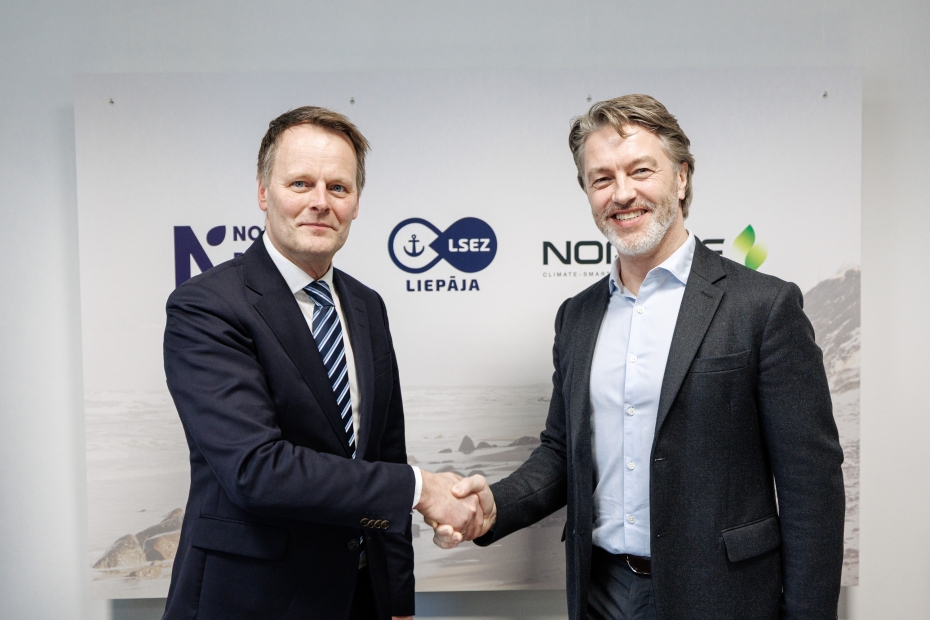
On 12 March 2026, green hydrogen developer CIS Liepāja and LSEZ SIA NorSAF signed a Memorandum of Understanding to coordinate development of green hydrogen supply for eSAF (synthetic sustainable aviation fuel) production in the Liepāja Special Economic Zone.
What was agreed (and why it matters)
The core logic is straightforward: eSAF needs green hydrogen, and NorSAF is planning a facility where eSAF is a major output stream. The MoU sets up cooperation to identify the most suitable technical, commercial, and infrastructure solutions so that hydrogen supply can be secured locally—reducing project risk and making the overall value chain more credible.
For PtX projects, this kind of “chain stitching” is often where timelines are won or lost. It’s not enough to have a hydrogen plant and a fuel plant on paper; the interface between them (quality specs, delivery mode, storage, permitting, grid connection, offtake structure) is where bankability gets built.
The scale in numbers (as currently communicated)
Both projects are framed around a 2030 start-of-operations horizon.
NorSAF planned output: 100,000 tonnes/year of SAF, including ~40,000 tonnes/year of eSAF, plus ~20,000 tonnes/year of biogasoline and biodiesel.
CIS Liepāja planned hydrogen output: up to 21,200 tonnes/year of green hydrogen (as communicated in the March 2026 announcement).
Those figures are notable for the Baltic context because they move the discussion from pilots to industrial volumes—the level where ports, grid operators, and logistics providers start treating PtX as core business rather than “innovation.”
Why aviation is a serious demand signal now
Aviation is one of the hardest sectors to decarbonise, and policy is increasingly turning that into a predictable market. The EU’s ReFuelEU Aviation framework requires aviation fuel suppliers to increase the share of SAF blended into fuel supplied at EU airports over time. Importantly for hydrogen-based fuels, the regulation also sets specific ramp-up expectations for synthetic aviation fuels (e-fuels/eSAF) starting in 2030. For project developers, this matters because it shifts SAF/eSAF from “nice-to-have” to compliance-driven demand—which is exactly the kind of signal long-lead industrial investments need.
What to watch next (from a Baltic PtX perspective)
MoUs are not final investment decisions, but they are useful indicators of where serious work is happening. A few practical checkpoints to track over the next 12–24 months:
FEED and permitting milestones CIS Liepāja has communicated that it is approaching the end of feasibility, with FEED planned to start in Q3 2026, and a final investment decision targeted for end of 2027.
Hydrogen delivery concept Will hydrogen be delivered via pipeline, trailer, or on-site integration? Each option has different implications for CAPEX, permitting, and operational flexibility.
Renewable power sourcing and grid constraints For green hydrogen, electricity procurement and grid connection are not side details—they’re the project. Long-term renewable supply arrangements and system capacity will be decisive.
Port and export logistics Both hydrogen and SAF/eSAF are inherently tradeable. Liepāja’s port infrastructure is a strategic asset if the projects can align storage, safety, and export routes early.
What this could mean for the region
If these projects progress as planned, Liepāja could become one of the first places in the Baltics where you can point to a connected chain: renewable electricity → green hydrogen → e-fuels for aviation. That’s not just a climate story. It’s an industrial competitiveness story—about where new process industries locate, how ports evolve, and how the Baltics position themselves in emerging European clean-fuels value chains.
Source: “CIS Liepaja” un “NorSAF” sadarbosies zaļā ūdeņraža un ilgtspējīgas aviācijas degvielas projektos