Get to know PtX (green hydrogen, ammonia, e-methanol) & Bio-fuel projects in Baltic states. Information is based on publicly available resources and our own experiences and industry insights.
Projects
Utilitas Väo HRS in Tallinn (Estonia)
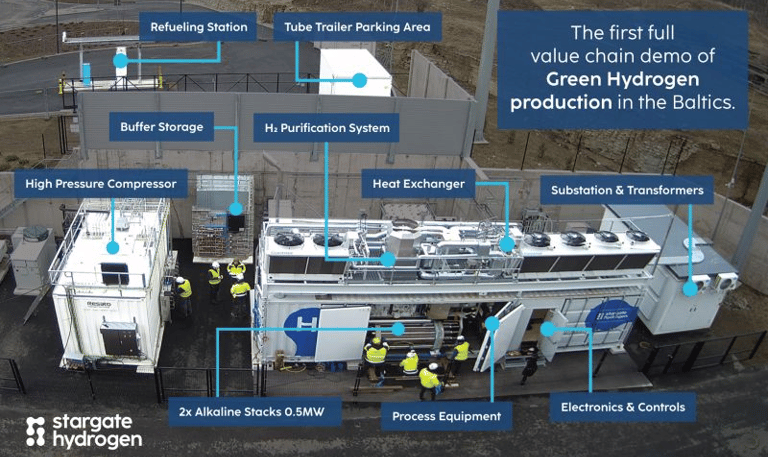
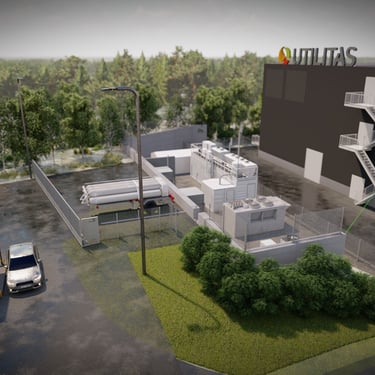
The Utilitas hydrogen Väo Project aims to establish a green hydrogen production unit within the Väo energy complex in Tallinn, Estonia, by the end of the year. This project will supply emission-free fuel to vehicles and industries, and it will be coupled with the first heat storage facility in Tallinn.
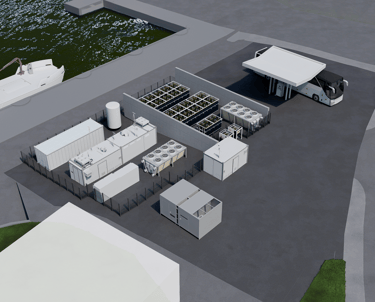
Port of Klaipeda (Lithuania) 2.25 MW H2 project
This project aims to develop a user-friendly mobile application that enhances productivity and organization. Through intuitive design and seamless functionality, users can efficiently manage tasks, set reminders, and collaborate with team members.
3 MW Green H2 plant in Vilnius (Lithuania)
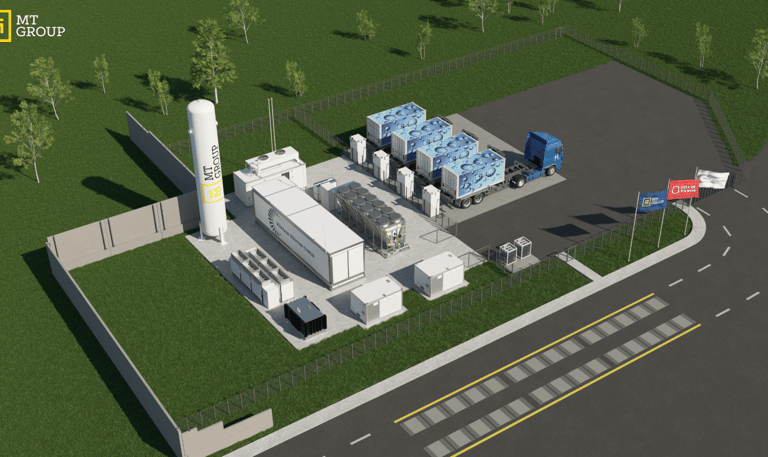
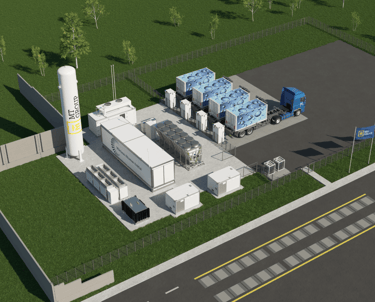
The Vilnius Heat Networks is constructing a green hydrogen production plant, aiming to utilize renewable energy sources to produce hydrogen for public transportation and potentially other applications. The project, a collaboration between Vilnius City Municipality, Vilnius Heat Networks, and MT Group, is scheduled to begin operations in the first half of 2026.
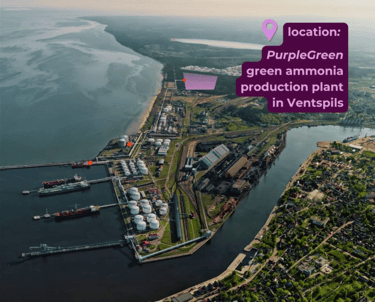
PurpleGreen 550 MW green ammonia plant in Freeport of Ventspils (Latvia)
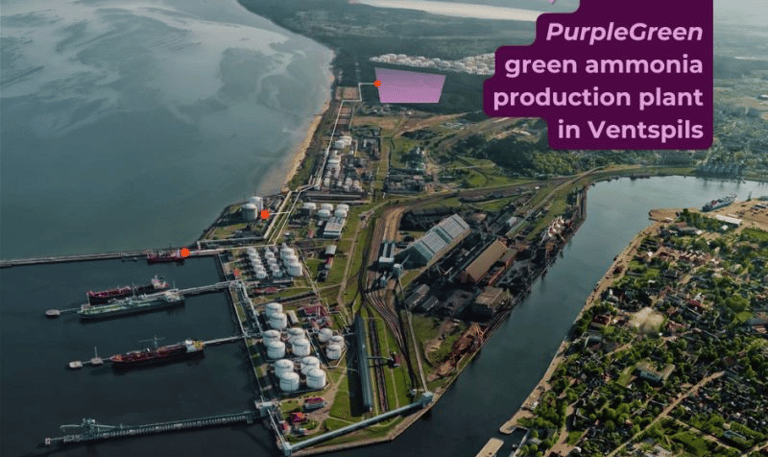
PurpleGreen Energy C is developing a 550 MW green ammonia plant at the Freeport of Ventspils, with production set to begin in January 2029 with planned capacity of 550 kt/GNH3.
Announced project plans to produce "green" hydrogen and/or ammonia using wind energy. Hydrogen will be made via electrolysis; ammonia will use the Haber-Bosch process with hydrogen and nitrogen. The Environmental Impact Assessment (EIA) will assess two options: producing only hydrogen and producing both hydrogen and ammonia.
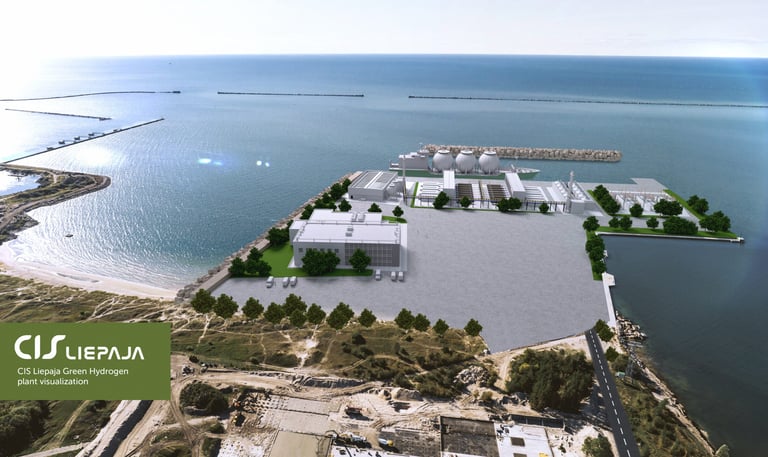
CIS Liepāja 1000 MW green hydrogen or ammonia plant in Liepaja (Latvia)
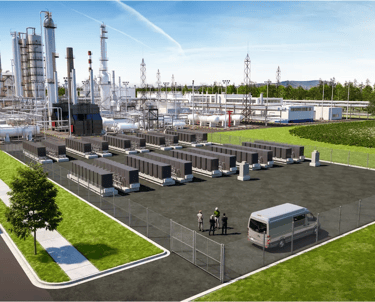
Derivaat NH3 22.5 kta Green ammonia plant in Paldiski (Estonia)
Derivaat NH3 plans to build its first green ammonia production plant in the Paldiski South Harbour in Estonia, which will produce green hydrogen (18 MW plant) and green ammonia from local wind and solar energy.
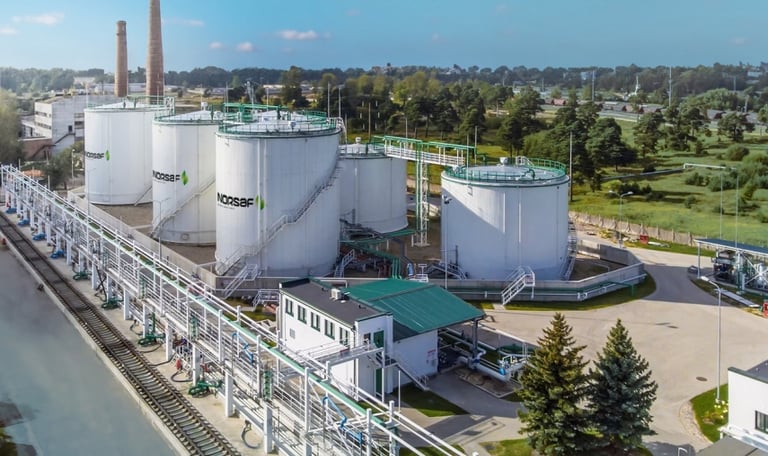
NorSAF 100 kta SAF project in Liepaja (Latvia)
The NorSAF project in the Liepaja Special Economic Zone aims to create Northern Europe's largest sustainable aviation fuel (SAF) plant. Led by Avia Solutions Group and Latvian partners, it will produce SAF from renewable resources to meet rising environmental demands. The plant is scheduled to open by 2030 with an initial capacity of 100,000 tons annually.
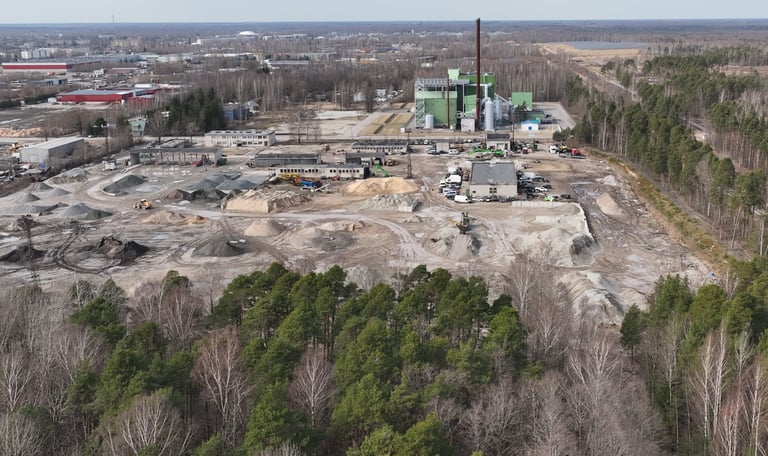
Power2X 500 kta bio-methanol plant in Pärnu (Estonia)
The Power2X Estonia project is a plan to build a large-scale green methanol production facility in Pärnu, Estonia. The project aims to produce 500,000 tons of green methanol annually, utilizing sustainably harvested biomass and forestry residues as feedstock. On Juyl 24, 2025 Estonian news portal ERR.ee reported about suspension of the project activities by Dutch developer citing "partly due to market situation".
The Amber Flow Fuels 87 kta SAF plant in Freeport of Riga (Latvia)
Amber Flow Fuels company is planning to start first renewable fuel production plant in the Baltic States for hydrotreated vegetable oil (HVO - 93 kta) and sustainable aviation fuel (SAF - 87 kta) in Kundziņsala (Port of Riga) early as in 2027.
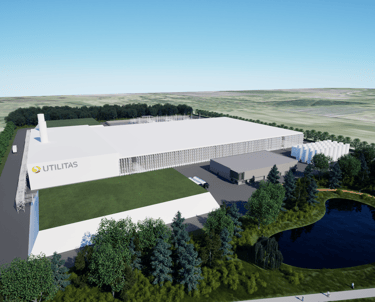
The planned plant in Pärnu, (Estonia) intends to use an electrolysis process to produce hydrogen from renewable energy, which in turn synthesizes high-value e-fuels. The maximum planned production capacity of the project is up to 300 MW, which could produce up to 30,000 tons of green hydrogen per year and up to 160,000 tons of e-fuel from it. The exact technological solutions and fuel selection will be determined during the planning and research.
Utilitas Audru 300 MW e-Fuels plant Pärnu, (Estonia)
SCRAPPED
Project name (TBA)
Project description coming soon
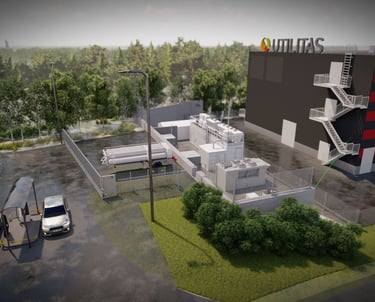
Utilitas Väo HRS in Tallinn (Estonia)
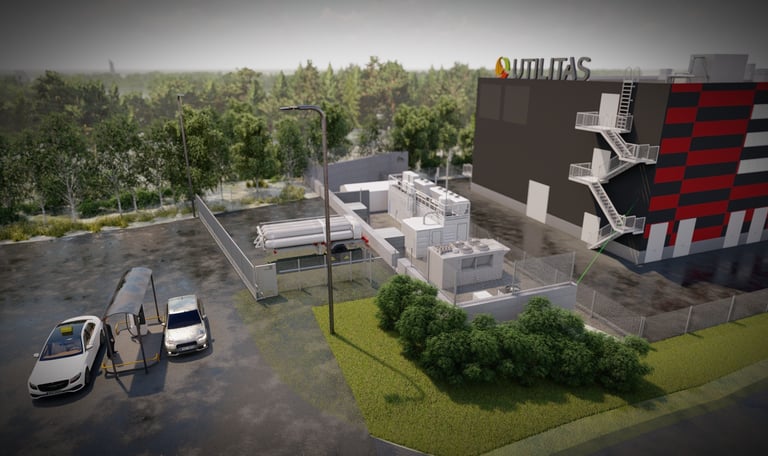
Estonia’s largest renewable energy producer, Utilitas, is building Estonia’s first green hydrogen production unit in Tallinn and its scheduled to be completed by end of summer 2025.
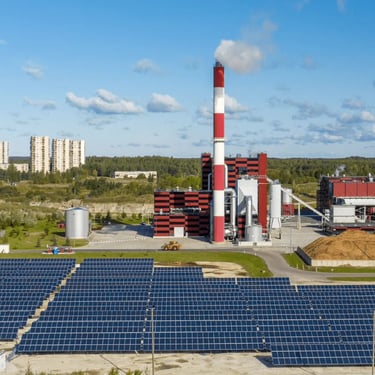
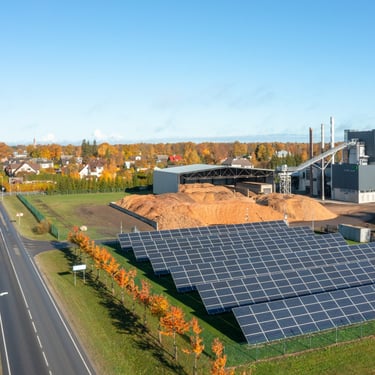
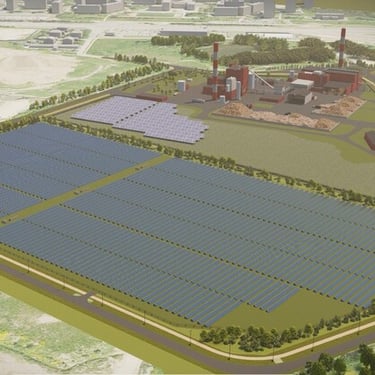
The complete green hydrogen value chain project managed by Utilitas is the first of its kind in the Baltic states. In addition to the production unit, Estonia’s first hydrogen gas stations will also be built, and Bolt-operated hydrogen cars will start driving in the capital. Utilitas’s green hydrogen production unit will be built in the Väo energy complex in the Utilitas Tallinn Power Plant, and green hydrogen will be produced in the electrolysis process.
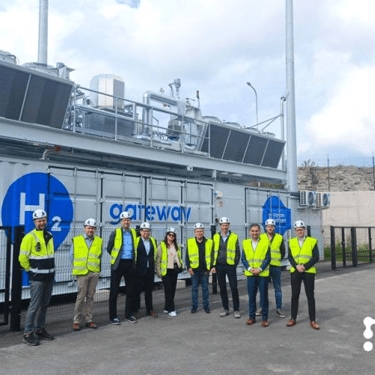
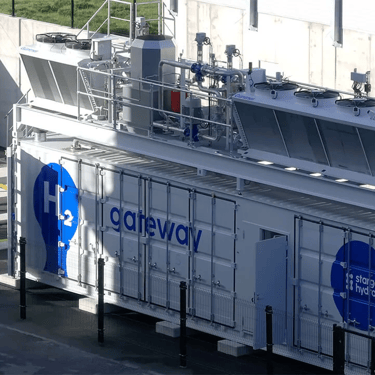
In addition, the Environmental Investment Centre (EIC) of Estonia is supporting Utilitas and Alexela with four million euros to build an additional green hydrogen production unit in Tallinn and a hydrogen filling station in Jüri by the spring of 2026, and to acquire an additional 10 hydrogen cars.
“The production of green hydrogen complements our Väo energy complex well, because locally produced green electricity can be used as an input, and the heat released during hydrogen production is fed into the district heating network. Such cross-sector solutions make the energy system more efficient, flexible, and reliable, and ultimately help to reduce the costs of decarbonizing society,” explained Priit Koit, the CEO of Utilitas Group.
In the production of green hydrogen, the inputs are green electricity and demineralized water. The production process does not emit any carbon dioxide, just pure hydrogen and oxygen. The modern electrolyzer uses the best available technology, meets all safety and design requirements related to hydrogen, and is one of the most efficient on the market. The maximum annual production of the unit, which will be completed by the end of 2024, is 130 tons of green hydrogen.
The investment company UG Investments will buy 30 Toyota Mirai hydrogen cars from ELKE Auto as part of the first green hydrogen complete chain project. These will be operated by the ride-sharing service provider Bolt. Hydrogen cars use hydrogen and oxygen as fuel with no emission into the environment. Environmentally friendly hydrogen car releases only a small amount of completely pure water from the exhaust pipe.
During the first stage of the project, green hydrogen fast-fill stations will be built and operated by Alexela. One will be located at the Utilitas Väo energy complex and the other on Peterburi tee highway. By the spring of 2026, another filling station will be built in Jüri through the expansion project. With the help of modern technology, it is possible to fill a hydrogen car in 3-5 minutes and a bus or truck in 10-15 minutes.
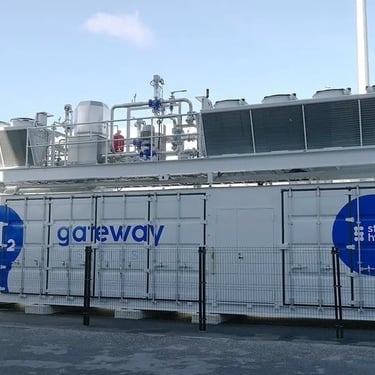
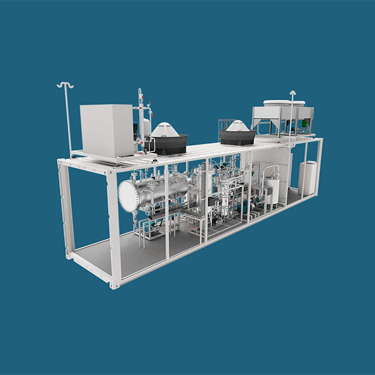
Estonian electrolyser manufacturer Stargate Hydrogen delivered a containerised, turnkey hydrogen production system with 1MW capable of producing 432 kg of hydrogen per day for this project. The system includes:
On-site hydrogen purification for fuel-cell grade output
A heat recovery module connected to the Utilitas heating network, increasing overall energy efficiency
Capability to fill multi-element gas containers (MEGCs) for off-site transport.
Links:

Port of Klaipeda (Lithuania) 2.25 MW H2 project
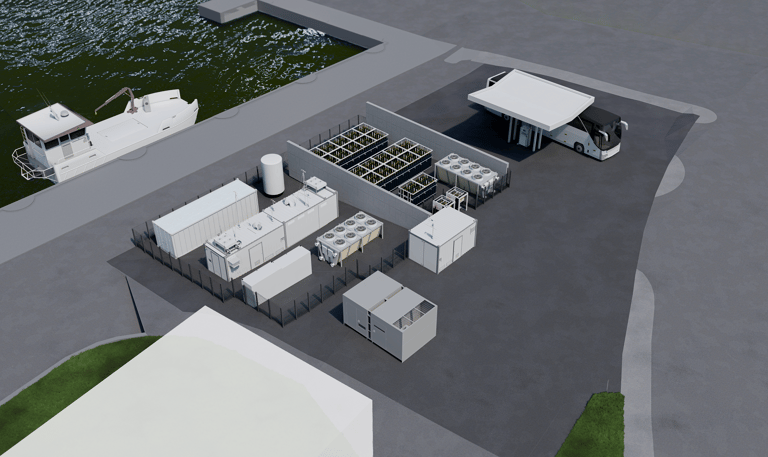
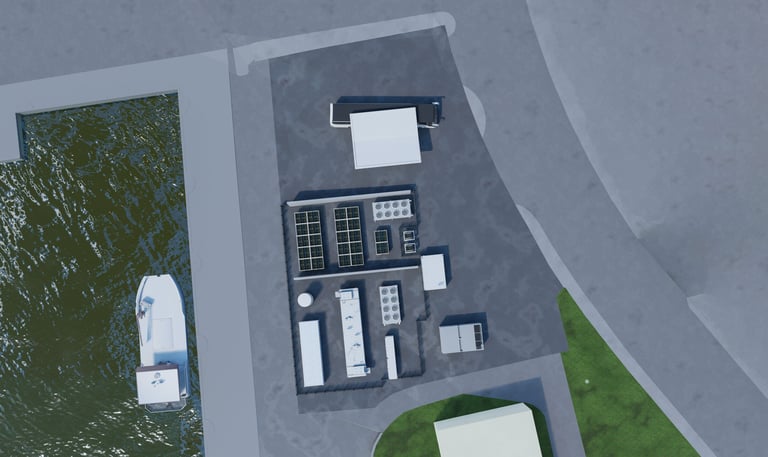
The Port of Klaipėda in Lithuania is initiating a green hydrogen project, aiming to become the first in the Baltic region to produce and supply green hydrogen for maritime and transport operation.
The project will establish a green hydrogen production and refueling station within the Port of Klaipėda.
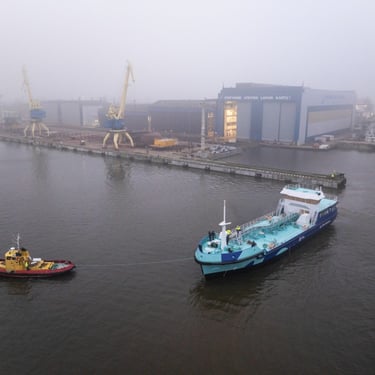
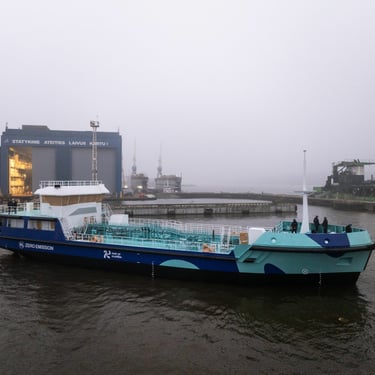
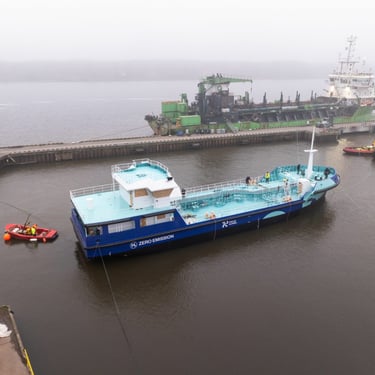
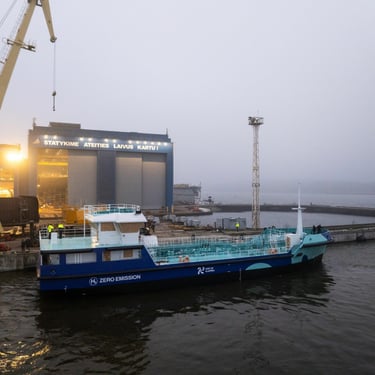
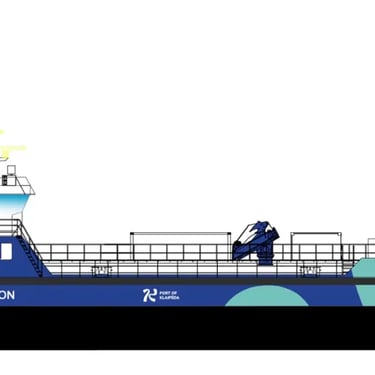
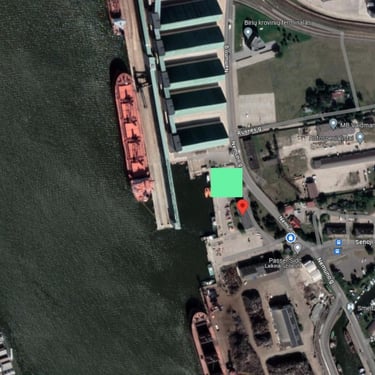
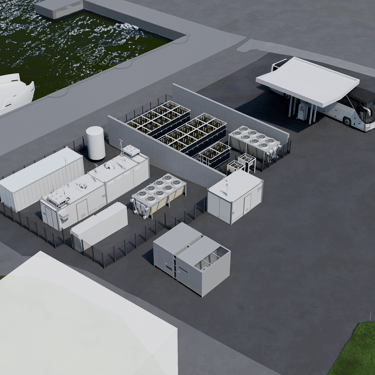
When the 2.25 MW hydrogen electrolyser equipment is operating at full capacity, approximately 127 tons of hydrogen will be produced per year. The green hydrogen produced will be used to power a waste-collecting vessel, as well as for refueling ships, railway transport, public transport, and private vehicles. Construction is expected to begin in June 2025, with hydrogen production slated to start in 2026.
The project is being implemented under the Economy Recovery and Resilience Plan “Next Generation Lithuania”, funded by the European Union’s NextGenerationEU. The total value of the hydrogen production and refuelling stations project is expected to be around €12 million, with EU funding of around €5,7 million. Two contracts have been signed for EU funding:
Project: “Expansion of Green Fuel (Hydrogen) Production in Klaipėda Port” - EU funding allocated: up to €4,813,550.
Project: “Installation of Public Hydrogen Refueling Stations in Klaipėda City” - EU funding allocated: up to €900,000.
Klaipėda Port's initiative is a first in the Baltic region and demonstrates a commitment to sustainable energy and meeting EU obligations. The project involves developing a specialized site and upgrading infrastructure like electricity, water supply, and hydrogen pipelines.
The Port Authority has signed agreements with companies like Bega and LTG Group to explore the use of green hydrogen in port operations and railway transport.
Links:
3 MW Green H2 plant in Vilnius (Lithuania)
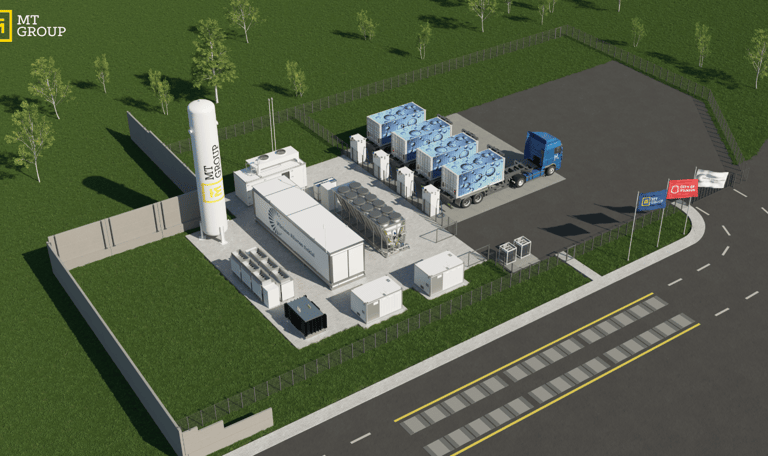
Vilnius takes a major step towards sustainable energy with the construction of a green hydrogen plant in the capital city. On 29 April, an approximately €10 million full-scope EPC contract was signed between Vilnius City Municipality, the largest centralized heat supplier in Lithuania Vilnius Heat Networks, and energy infrastructure development company MT Group, officially launching the plant’s development.
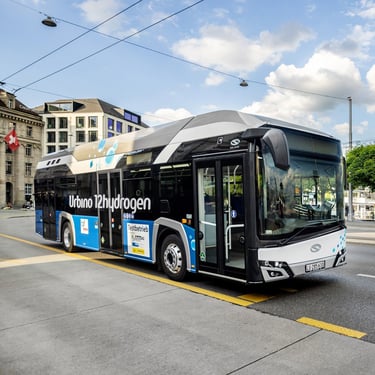
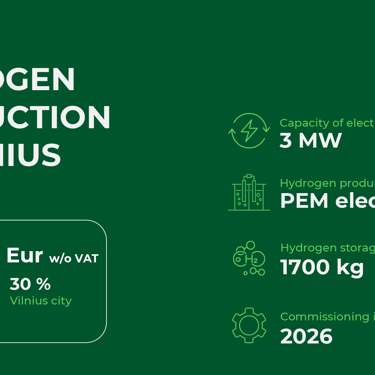
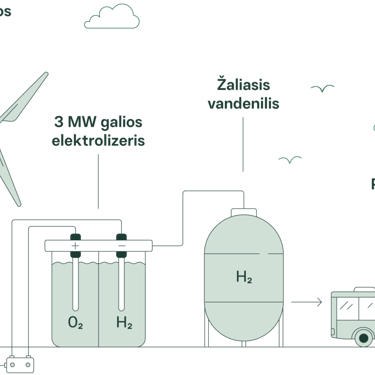
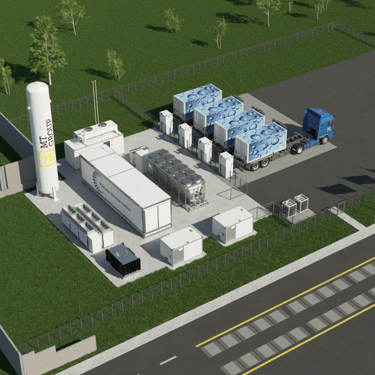
This project is a key part of Vilnius’ broader plan to create a sustainable urban transport system. The hydrogen produced at the facility will power 16 public transport buses, replacing diesel-fueled vehicles and cutting an estimated 1,414t of CO₂ emissions annually.
„Vilnius is becoming a Baltic leader in hydrogen energy. This project is more than just an infrastructure project. It is the city’s response to the climate crisis, a step towards a cleaner environment and a smarter transport system. The green hydrogen plant will not only produce sustainable energy, but will also help to reduce urban pollution,” says Vilnius Mayor Valdas Benkunskas.
The project is valued at approximately €10 million. Up to 70% of the funding will come from European Union structural funds, with the remaining costs covered by the Vilnius City Municipality.
“The plant is scheduled to begin operations in the first half of 2026. Using water and electricity from renewable sources, the facility will produce up to 3.45 million cubic meters of green hydrogen per year – equivalent to around 2,000 MWh of heat energy,” said Gerimantas Bakanas, CEO of Vilnius Heat Networks. This technology is expected to generate sufficient hydrogen gas to power 40 buses, based on the length of their average routes.
Links:
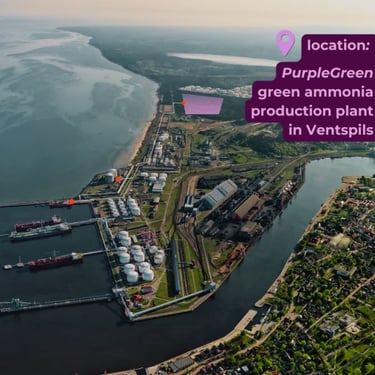
PurpleGreen 550 MW green ammonia plant in Freeport of Ventspils (Latvia)
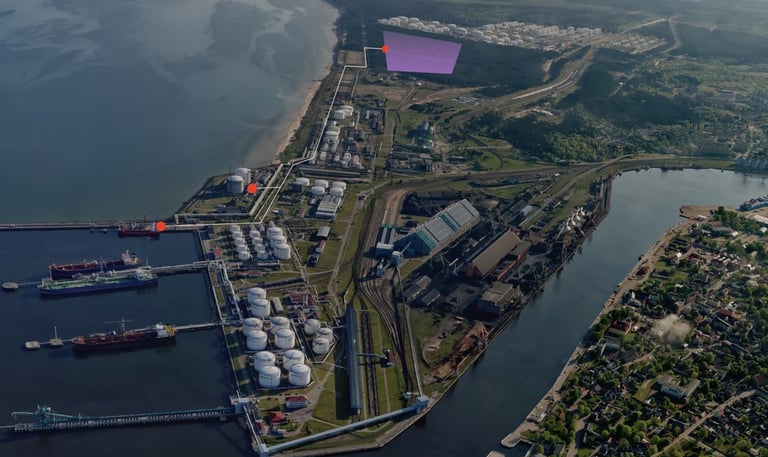
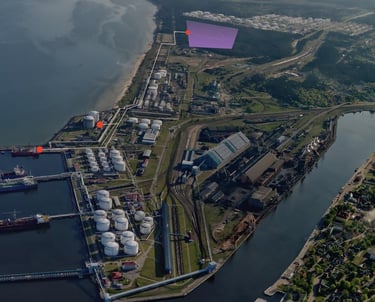
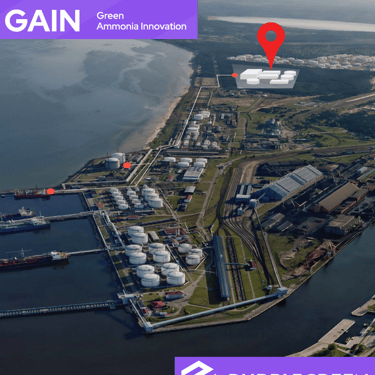
A green ammonia production project is underway in Ventspils, Latvia, spearheaded by PurpleGreen Energy C, with plans to begin production in January 2029. The project involves constructing a plant within the Freeport of Ventspils, aiming to produce more than 550,000 tonnes of green ammonia annually for export to Germany.
This initiative is part of Latvia's broader strategy to become a key exporter of green energy and reduce reliance on fossil fuels.
52 ha of land has been leased from the Ventspils Freeport Authority for the development of green ammonia plant.
Project current planned parameters:
67 000 t of Hydrogen per year,
567 000 t of Ammonia per year,
>1.3 bEUR anticipated investment amount.
Project status (mid 2025):
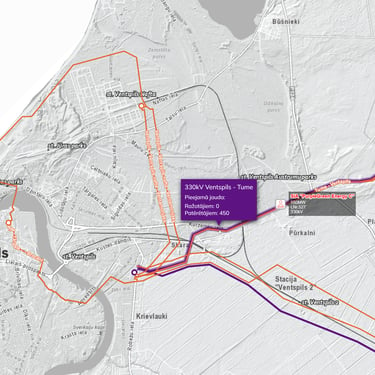
550 MW HV grid connection permit secured with TSO,
EIA started,
On-going feasibility study,
MoU for sale of green ammonia signed in 2024 with German trading house's S.E.T. Select Energy GmbH subsidiary Select New Energies GmbH.
Links:
CIS Liepāja 1000 MW green hydrogen or ammonia plant in Liepaja (Latvia)
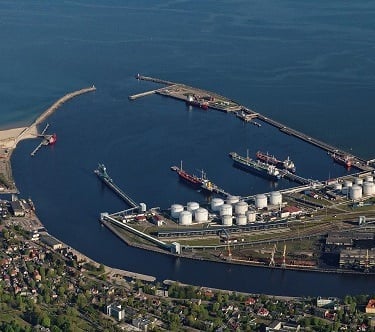
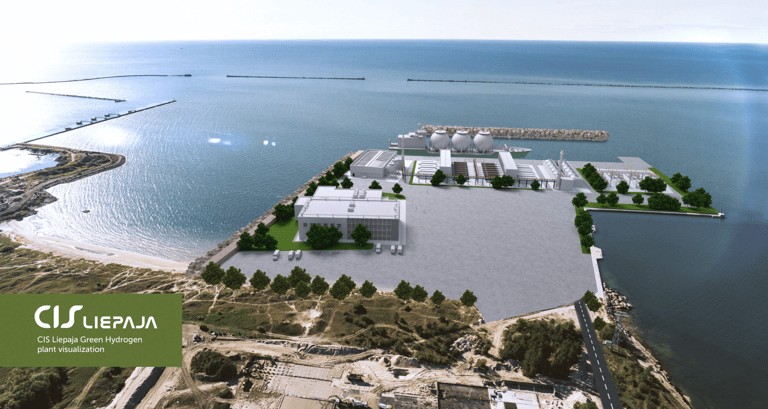
Per the project announcement in 2024, there were plans to construct a production facility for "green" hydrogen and/or ammonia. The facility will harness electricity from renewable wind power.
Hydrogen production will employ the electrolysis method, while ammonia will be synthesized using the Haber-Bosch process, combining green hydrogen with nitrogen extracted from the air.
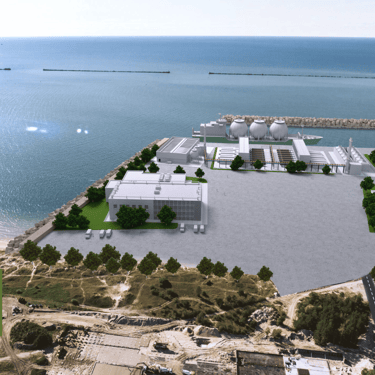
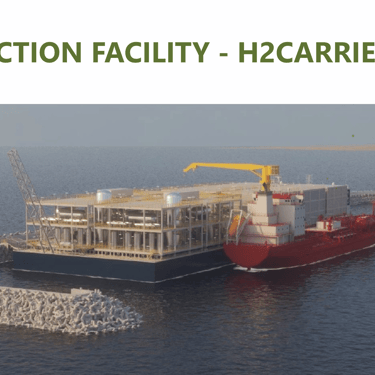
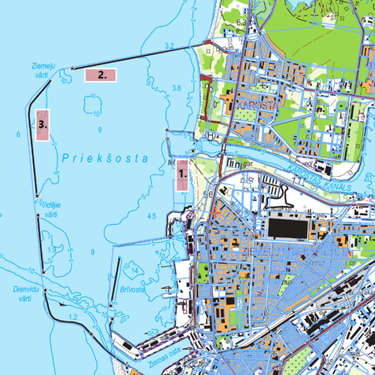
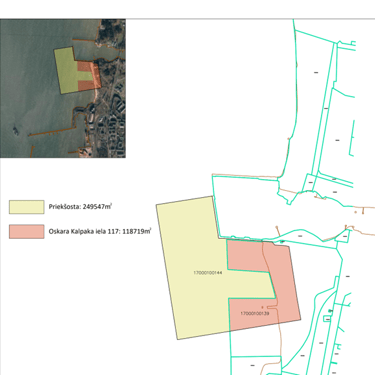
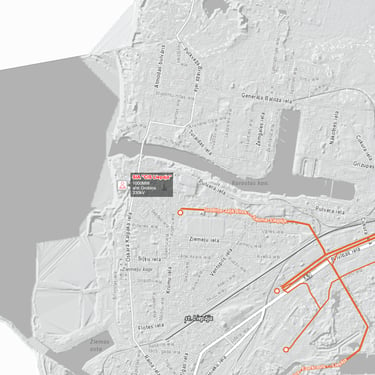
Submitted Environmental Impact Assessment (EIA) evaluates two production alternatives: one focusing solely on green hydrogen production, and another on both green hydrogen and ammonia.
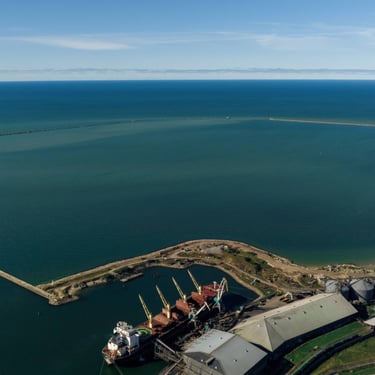
At the end of 2023 project developer has signed the land reservation agreement (equal to "Letter of intent" concept) for 2 years (expiring in December 2025) with port authority Liepaja SEZ . Developer has also acquired a grid connection permit for 1000 MW of capacity.
As per initial publicly announce plans the plant is intended to have a capacity of up to 1,000 MW. If only the hydrogen production facility is operational, the maximum annual output is projected to be approximately 101,100 tons. Conversely, with the combined operation of both hydrogen and green ammonia plants, the annual green ammonia production could reach approximately 536,600 tons (1,490 tons per day), while green hydrogen production may total around 95,270 tons per year (255 tons per day).
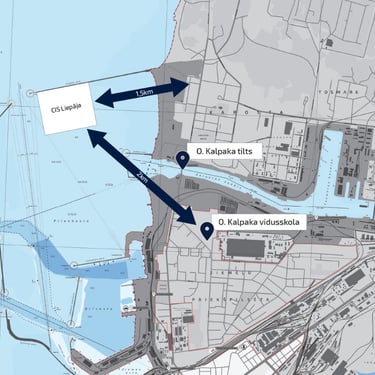
On April 30 it was announced that project has abandoned the green ammonia production plans due to the "changes in markets and demand" and has changed agreement with Liepaja SEZ to reallocate the hydrogen production site further northward from port aquatorium in offshore waters.
Links:
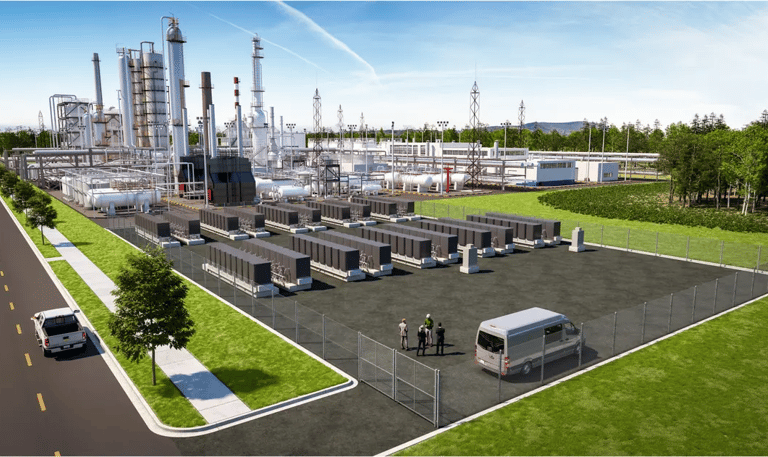
Derivaat NH3 22.5 kta Green ammonia plant in Paldiski (Estonia)
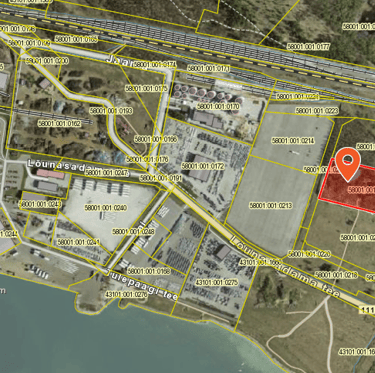
Derivaat NH3 plans to build its first green ammonia production plant code named 'Voyager 1' in the Paldiski South Harbour in Estonia, which will produce green hydrogen and green ammonia from local wind and solar energy.
During the first stage OÜ Derivaat NH3 will invest around 70 million euros in the Paldiski plant. When the plant starts operating in 2026, it will create around 20 new jobs in the region.
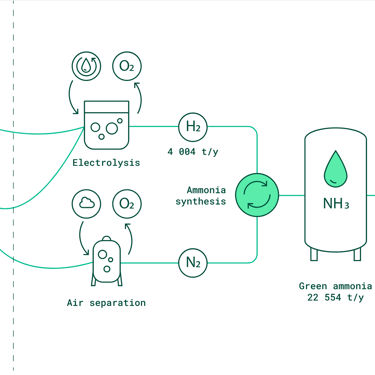
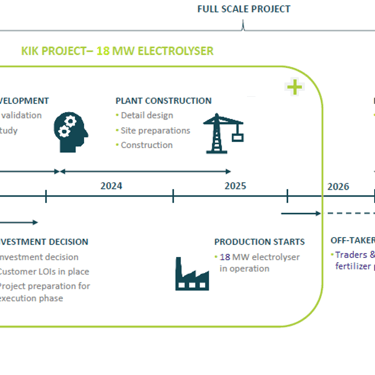
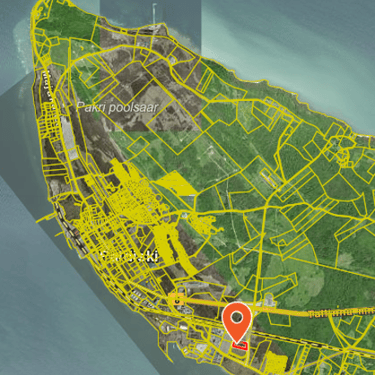
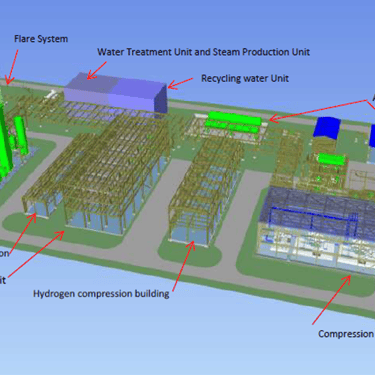
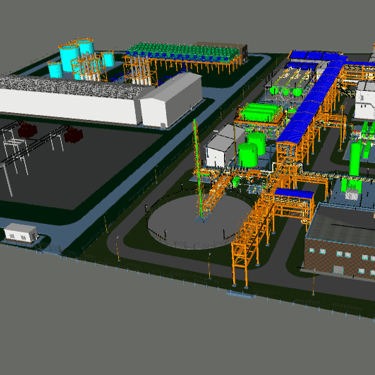
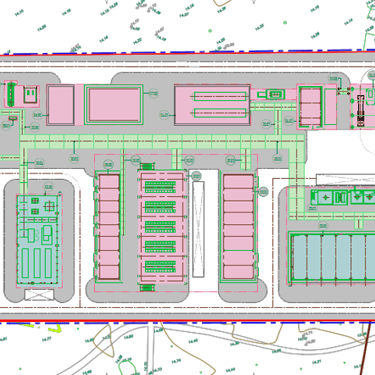
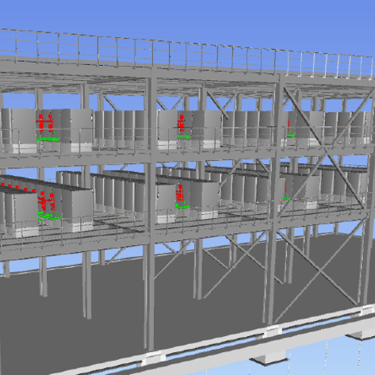
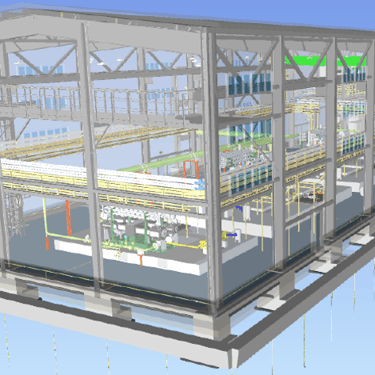
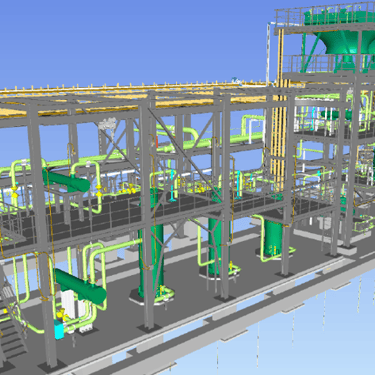
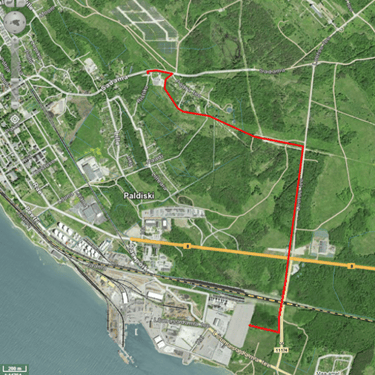
The technology and design of the plant are developed and carried out in cooperation with a Ukrainian company that has more than 40 years of experience in the field of building ammonia plants. The plant will use innovative production technology where the hydrogen production SOEC electrolyzer is combined with Haber Bosch technology of green ammonia production. OÜ Derivaat has applied for patent of this plant in 153 countries.
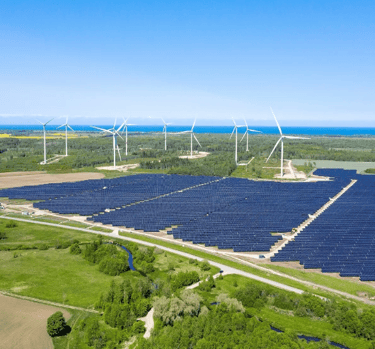
The electricity required to produce green raw materials will be supplied from solar, wind and other renewable energy producers operating in Paldiski and on Pakri Peninsula. Recycling of water is also important for the owners of the plant – in production the plant will only use the water that the Paldiski-based AS Lahevesi company has already cleaned after it passed through the sewage network – at present this water is directed into the sea. The EIA process is underway, and public consultation on the EIA report is scheduled for August 11, 2025.
Key parameters / status:
Green ammonia production capacity 22 554 t/a
Green hydrogen production capacity 4 004 t/a
18 MW electrolyser capacity
EIA launched
Links:
NorSAF 100 kta SAF project in Liepaja (Latvia)
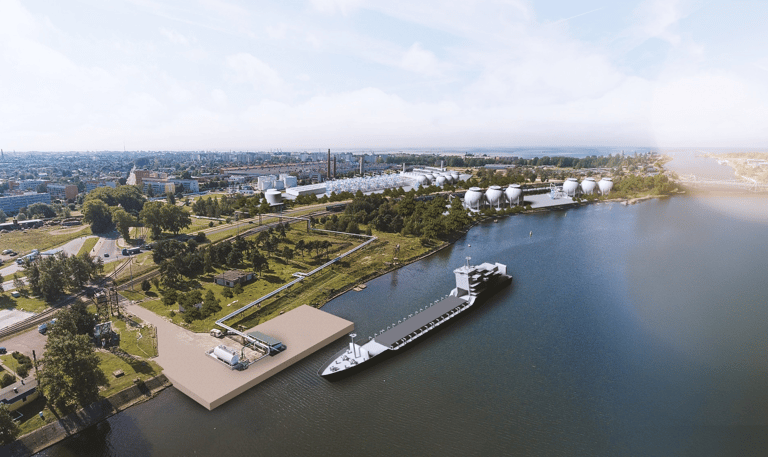
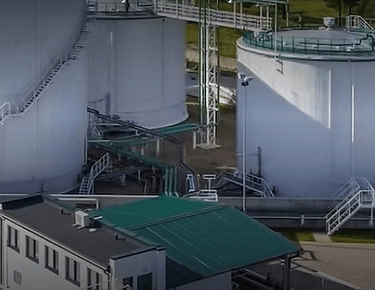
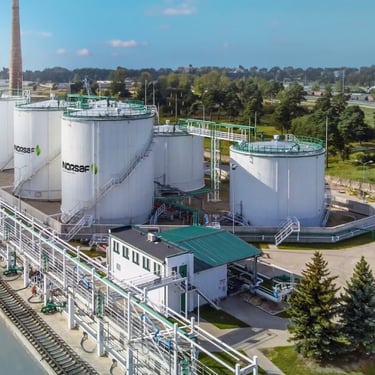
Avia Solutions Group and Latvian partners have launched a NorSAF joint-venture project to develop what is stated to be the largest sustainable aviation fuel (SAF) production plant in Northern Europe, to be built in the Liepaja Special Economic Zone in Latvia. The fuel produced will be supplied to aviation companies in Northern Europe and exported to markets worldwide. Production is expected to start in 2030 with a capacity of approximately 100,000 tons of SAF annually.
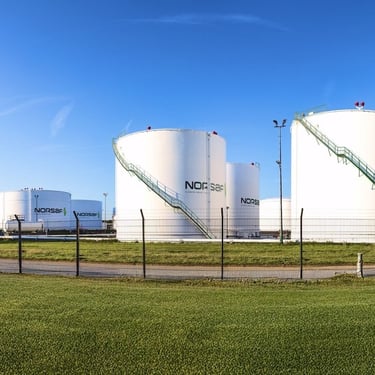
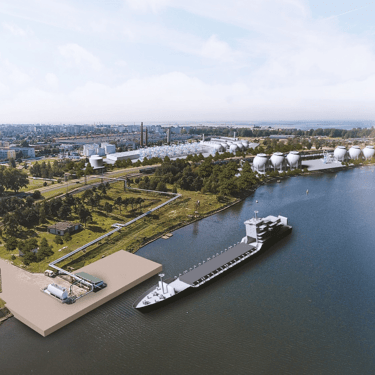
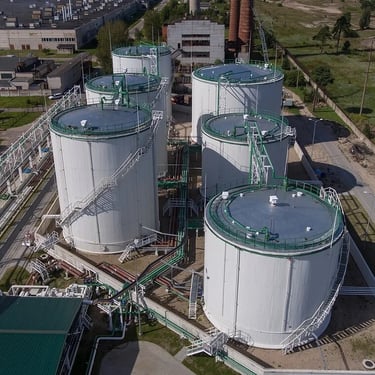
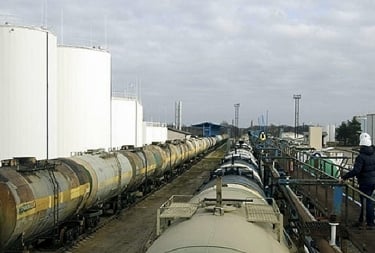
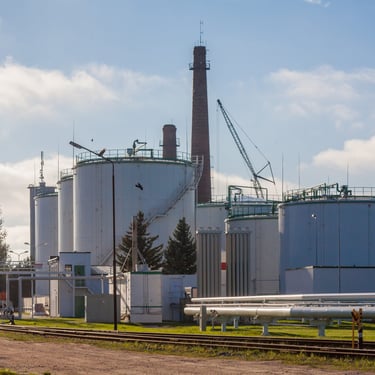
Its cost is estimated at between 500 million and 600 million euros (between USD$586 million and USD$703 million), depending on the selected technological solution.
The technological implementation will be handled by the group’s subsidiary Baltic Ground Services, which has extensive experience in SAF supply and distribution. The new plant will use PureSAF technology, developed by Swedish Biofuels AB and exclusively licensed to the U.S. engineering firm KBR. It has been proven that this technology reduces greenhouse gas emissions by up to 93 percent compared to conventional jet fuel.
Using PureSAF technology, NorSAF will be able to produce both SAF and eSAF from bioethanol, hydrogen and captured CO2, making the full green-energy cycle a central feature of the project. Green electricity will power electrolysis for green-hydrogen production, which will then be combined with captured CO2 and ethanol to create SAF and eSAF. KBR is conducting a feasibility study, expected to be completed in the second half of 2025. Project work is expected to begin shortly thereafter.
It is estimated the new plant in Liepaja will produce 100,000 tons of SAF annually. For comparison, currently, airports in the three Baltic countries consume about 400,000 tons of aviation fuel. According to the current EU 2 percent mandate, the local market only requires approximately 8,000 tons of SAF.
eSAF is a synthetic fuel made from renewable energy. Its production begins with renewable electricity from sources like solar, hydro and wind used for electrolysis of water into hydrogen and oxygen. The hydrogen is then combined with captured CO2 from atmospheric, biogenic or industrial sources in a reverse water-gas shift process, forming carbon monoxide and water. This synthetic gas is then processed via Fischer–Tropsch conversion with additional hydrogen into synthetic wax—a crude-oil alternative that can be refined into fuels like eSAF. The carbon neutrality of eSAF stems from the fact that when burned, it releases only as much CO2 as was introduced into its production through direct carbon capture or existing industrial emissions. The process uses electricity from renewable sources.
On a side note NorSAF project has stated that is has secured agreement with CIS Liepaja (see above) for part offtake of the green hydrogen which is announced to be produced there. As project faces some uncertainty and has shifted its location to offshore this might create some implications for NorSAF. Also the supply of the rather significant amounts of industrial CO2 as feedstock is not secured yet, nor there is an necessary infrastructure in place for the pipeline supplies which can also impact the base assumptions under this project.
Links:
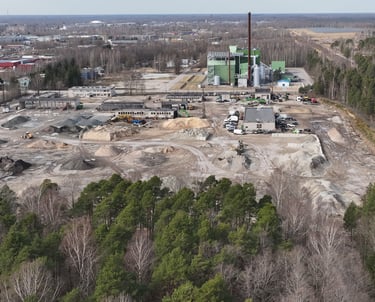
Power2X 500 kta bio-methanol plant in Pärnu (Estonia)
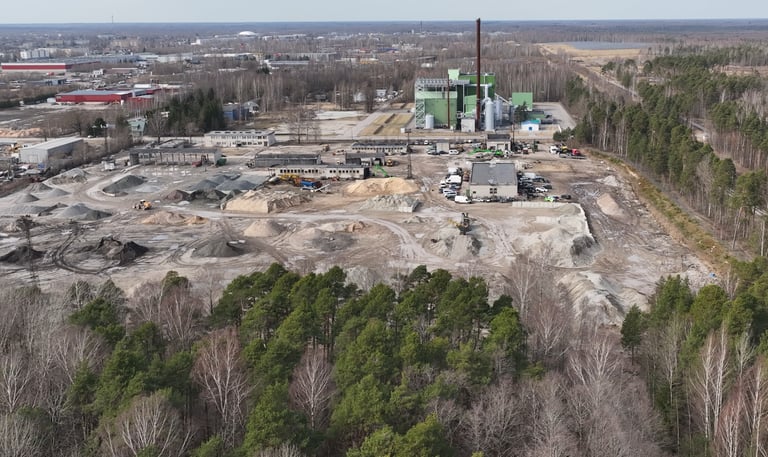
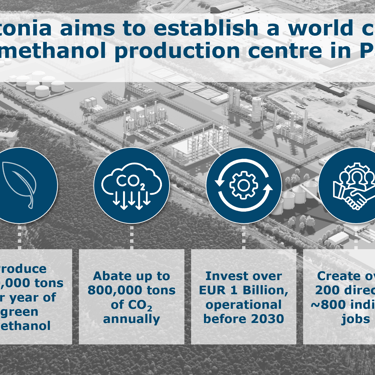
The Power2X Pärnu project is a plan to build a large-scale, green methanol production facility in Pärnu, Estonia, by the Dutch company Power2X. The project aims to produce 500,000 tons of green methanol annually, utilizing sustainably harvested biomass and residual forestry streams as feedstock. The project is envisioned to position Pärnu as a hub for sustainable industries and contribute to the transition towards more sustainable feedstocks and energy sources in Estonia and Europe.
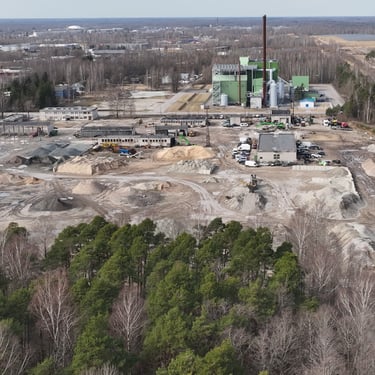
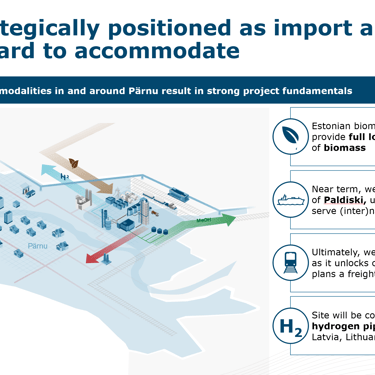
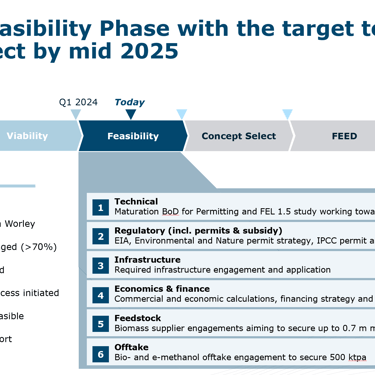
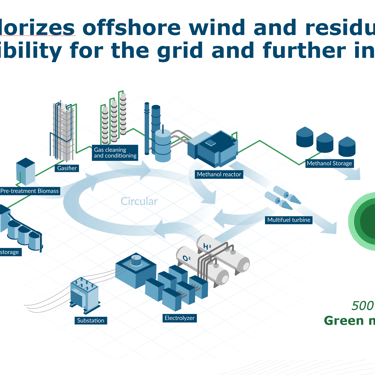
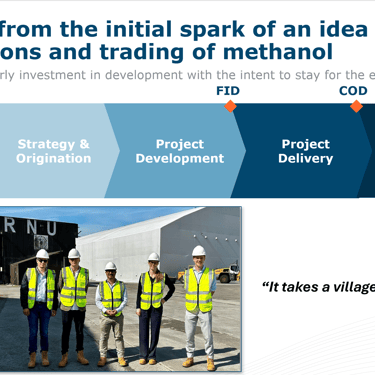
The cornerstone of this initiative is the production of green methanol, a sustainable and environmentally friendly alternative to conventional fossil fuels, derived from biomass sources. The primary raw material will be sustainably sourced biomass and residual forestry streams from Estonia. This includes wood chips and other byproducts that are often exported with limited added value, thereby offering an opportunity to maximize local utilization.
This project envisions a large-scale industrial plant capable of producing approximately 500,000 tons of green methanol annually, setting a significant benchmark in regional green energy infrastructure. Built on a fully circular approach, the facility will efficiently utilize all waste streams generated during production. This sustainable cycle will also produce valuable by-products, benefiting the chemical industry and promoting resource efficiency.
The project is poised to deliver substantial economic benefits for Estonia, creating over 2,000 jobs during the construction phase and maintaining long-term employment for 200-250 staff in operations and supply chain roles. Additionally, it is expected to positively influence regional GDP growth.
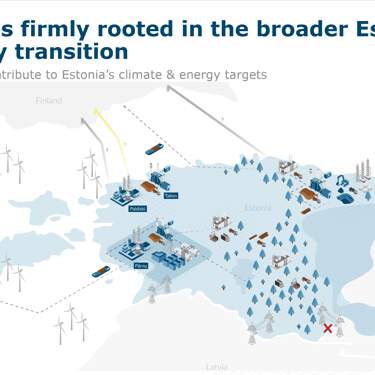
Strategically, the project supports the development of a versatile hydrogen economy, capable of balancing the variability inherent in offshore wind energy. It also aims to decarbonize sectors such as aviation and maritime shipping by providing a green, renewable fuel source. Construction activities are planned to commence in the near term, with operational milestones targeted for 2028, marking a significant step toward Estonia’s sustainable energy goals. The facility will be established in the industrial zone of Niidu, Pärnu, leveraging an existing infrastructure hub for efficient development. Esteemed backing from the Estonian government underscores the project’s strategic value, with endorsements from key officials including the Climate Minister and the Minister of Economic Affairs and Industry.
On July 24, 2025 Estonian news portal ERR.ee reported about the suspension of the project from the Power2X side citing "partly due to the market situation, we have decided to focus our resources on other projects, which led us to suspend the project in Estonia."
Links:
SCRAPPED
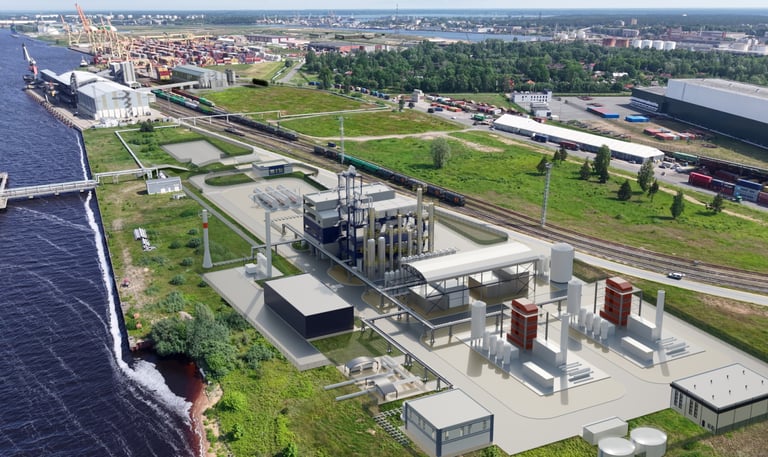
The Amber Flow Fuels 87 kta SAF plant in Freeport of Riga (Latvia)
The first renewable fuel production plant in the Baltic States is planned to be built in Kundziņsala, a key area of Freeport of Riga. The facility will produce hydrotreated vegetable oil (HVO) and sustainable aviation fuel (SAF). The project involves an investment of 120 million euros and will create approximately 120 skilled jobs. It supports Latvia’s objectives for climate neutrality and aligns with the Green Deal. The development of Kundziņsala as a green energy hub is a component of Riga port’s strategic growth plan, aimed at increasing Latvia’s export capacity and energy independence.
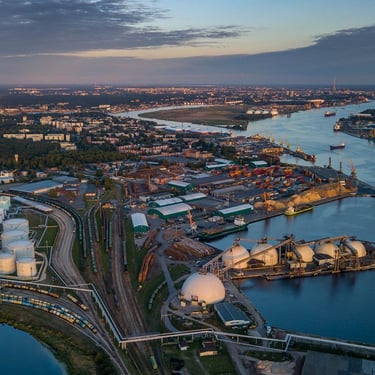
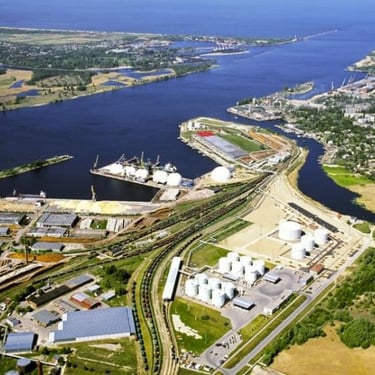
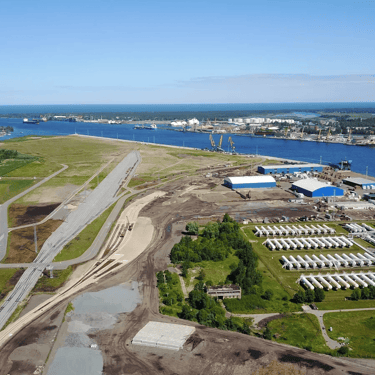
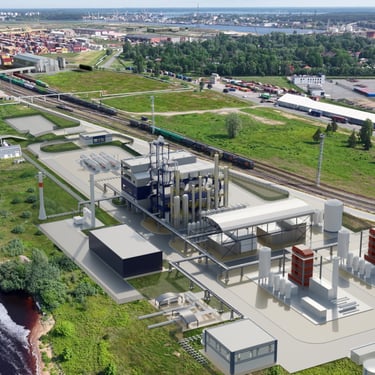
The project managed by Amber Flow Fuels company is a collaborative effort between Ukrainian investors and SIA PARS TERMINĀLS, a company operating within Riga port. It is recognized as a priority investment by the Latvian Investment and Development Agency (LIAA). The construction plans are currently (mid-2025) under review by the Urban Development Department of Riga’s municipal authorities, with work expected to begin upon approval.
The new plant is expected to have an annual capacity of approximately 236,000 tons of raw materials, from which about 93,000 tons of HVO and 87,000 tons of SAF will be produced. It is anticipated that the facility could supply the entire SAF demand of the Baltic market, with about 70% of the produced SAF being exported. This could increase Latvian exports by at least 150 million euros.
Technologies used in the plant will enable the production of renewable fuels from various natural residues, primarily recycled vegetable oils. The facility will be unique within the Baltic region and will contribute to Latvia’s energy independence and development of local production based on available resources.
The project aims to enhance the competitiveness of Latvian companies and reduce reliance on imported biofuels. Additionally, the cooperation with Ukrainian investors is seen as strategically important considering the current geopolitical situation, helping to strengthen economic ties within the region.
Links:
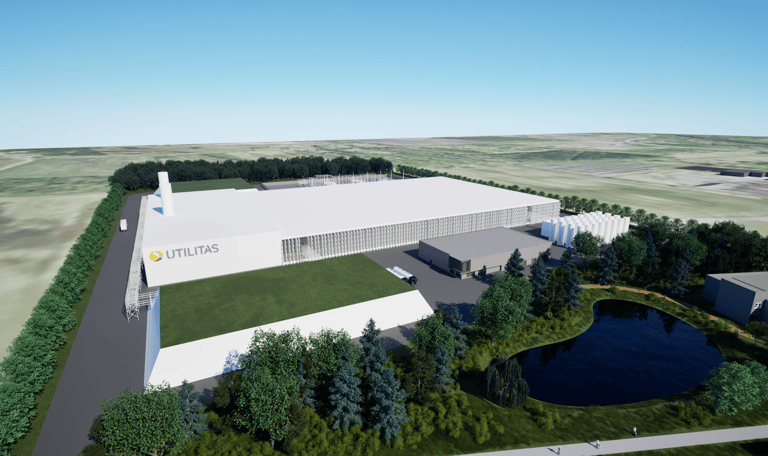
Utilitas Audru 300 MW e-Fuels plant Pärnu, (Estonia)
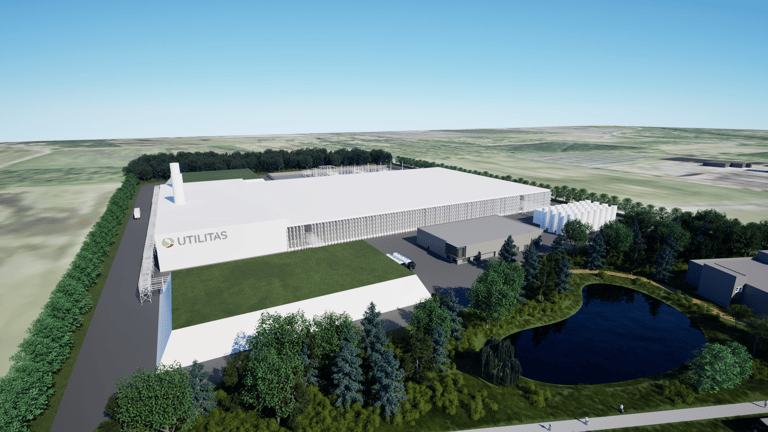
In May 2026, the Pärnu city government initiated the detailed planning process for an e-fuels production unit to be built in Audru, marking the formal first step in the development of one of the larger Power-to-X projects in the Estonian pipeline. The facility is being developed by Utilitas Wind, the wind-energy arm of Utilitas, Estonia's largest renewable energy producer and the leading wind developer across Estonia, Latvia and Lithuania.
The plant follows the full Power-to-X chain: renewable electricity feeds an electrolyser that produces green hydrogen from water, and that hydrogen is then synthesised into higher-value e-fuels — e-methanol, e-methane or aviation fuel. The exact technological solutions and final fuel mix are to be determined during planning and feasibility studies.
The project's planned maximum production capacity reaches up to 300 MW, which could yield up to 30,000 tonnes of green hydrogen per year, and from that up to 160,000 tonnes of e-fuels annually. The targeted end uses are the hard-to-abate sectors where direct electrification is not realistic — aviation, maritime and the chemical industry.
Key project characteristics:
Developer: Utilitas Wind (Utilitas Group)
Location: Audru, Pärnu County, Estonia — within a designated production zone, close to both the Rail Baltica and Via Baltica corridors
Planned maximum capacity: up to 300 MW
Planned output: up to 30,000 t/year green hydrogen → up to 160,000 t/year e-fuels
End products: e-methanol, e-methane and/or aviation fuel (final mix to be confirmed)
Target sectors: aviation, maritime, chemical industry
Local economic impact: hundreds of construction jobs; 20–40 permanent high-skilled operational roles
Timeline: detailed planning initiated May 2026; completion targeted for the early 2030s
Status: detailed planning initiated; strategic environmental impact assessment (SEA) running in parallel
The site sits within a production area under the valid Audru comprehensive plan, with the Pärnu county plan also designating the surrounding zone for business and production use. Its position at a junction near Rail Baltica and Via Baltica gives the facility logistical access relevant to future export of fuels. The developer has noted that, given the early-2030s timeline, the project does not directly rely on the hydrogen corridor planned by Elering and other parties, though that infrastructure would offer additional options if completed.
A strategic environmental impact assessment is being carried out alongside the detailed planning to identify the facility's potential environmental effects. The developer has emphasised regular engagement with the local community. The timetable for the planning process, public discussions and further information will be published through Pärnu's official channels.
Links: