
Klaipėda Green Hydrogen Station Nears Launch, Strengthening the Baltic Hydrogen Market
Klaipėda’s green hydrogen station is moving from concept to operating reality, giving the Baltic market one of its clearest pilot references in maritime and port-based hydrogen deployment. For Baltic hydrogen ecosystem stakeholders, that matters not only because it is a first-of-its-kind port project in the region, but because it starts turning strategy, funding and infrastructure planning into something tangible.
NEWS
PtXBaltic
4/23/20263 min read
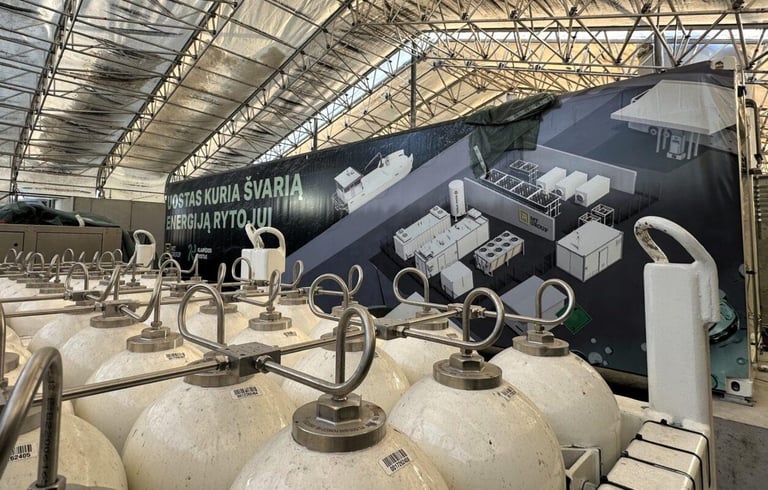
A practical milestone for Baltic hydrogen development
Klaipėda has just delivered one of the clearest signals yet that hydrogen in the Baltic states is moving beyond strategy papers and into real operating infrastructure. With the construction-completion document now received for the hydrogen station site, the Port of Klaipėda has entered the final stretch before regular green hydrogen production begins, with commissioning and ramp-up targeted by mid-2026.
That matters well beyond Lithuania. Baltic hydrogen ecosystem stakeholders need more than ambition, policy language and long-term targets. They need visible pilot assets that show how hydrogen projects are actually permitted, built, tested and integrated into transport and port operations. Klaipėda is now offering exactly that kind of reference point.
A port project with real operational use cases
The project itself is substantial enough to matter commercially, yet focused enough to work as a practical pilot. According to the official project information, the station is designed around a 2.25 MW electrolyser system and is expected to produce around 127 tonnes of hydrogen per year at full capacity. The hydrogen is planned for use in port operations first, including a new green hydrogen-powered waste collection vessel, while wider use cases include ships, rail, trucks, buses and passenger vehicles.
This is precisely why the project stands out. It is not being framed as a symbolic hydrogen announcement detached from demand. It is being built around identifiable port and transport applications, which is where early market confidence is usually won or lost.
A stronger signal for Baltic ports and industrial hubs
Klaipėda’s hydrogen initiative is positioned by the port authority as the first such project among Baltic state ports, and Lithuania’s first public hydrogen refuelling station is expected to be open to both businesses and residents. That combination is important. It gives the project a dual role: a decarbonisation asset for port operations and a market-opening infrastructure node for wider regional uptake.
For the Baltic market, this kind of implementation matters because it reduces abstraction. It creates operating experience around safety systems, refuelling logic, equipment integration, offtake planning and user confidence. It also gives public authorities, technology providers, financiers and industrial users a much more credible basis for shaping the next wave of projects.
Funding structure and delivery logic
The project is being implemented under Lithuania’s recovery and resilience framework backed by NextGenerationEU. Official project information places the overall hydrogen production and refuelling station value at around €12 million, with about €5.7 million in EU support across the linked hydrogen production and public refuelling components. The port authority has also confirmed contracts with MT Group for equipment delivery and integration, while earlier project steps included the construction permit in May 2025, the site works contract in June 2025, and entry into testing in early 2026.
That timeline is relevant in itself. It shows that Baltic hydrogen pilots can move from approval and procurement into physical delivery within a relatively compressed timeframe when public backing, a defined use case and a capable project owner come together.
What this means for the Baltic hydrogen market
The broader takeaway is straightforward: pilot implementation is now becoming one of the most important market-building tools in the Baltic hydrogen space. A working project in a port environment does more than decarbonise one asset base. It strengthens regional credibility, improves investment narratives, shortens the learning curve for the next developers and helps shift hydrogen from “future option” to bankable infrastructure pathway.
Klaipėda is therefore not just adding a hydrogen station. It is adding practical market evidence. That is exactly what the Baltic region needs more of if it wants to scale from isolated announcements to a more connected hydrogen and PtX ecosystem.
More background on the Klaipėda project and the wider regional pipeline can be added here:
Port of Klaipeda (Lithuania) 2.25 MW H2 project
The PtXBaltic projects database already lists the Klaipėda 2.25 MW hydrogen project and its main parameters, making it a natural place to direct readers looking for deeper project context
Source: Port of Klaipėda green hydrogen project enters testing phase