Klaipėda University joins a Europe-wide hydrogen training platform
Klaipėda University has joined the Horizon Europe-funded HyAcademy.eu initiative, strengthening its role in Europe’s hydrogen skills ecosystem. The partnership is expected to expand hydrogen-focused study modules, research collaboration, and industry connections for students and researchers.
NEWS
PtXBaltic
1/25/20262 min read
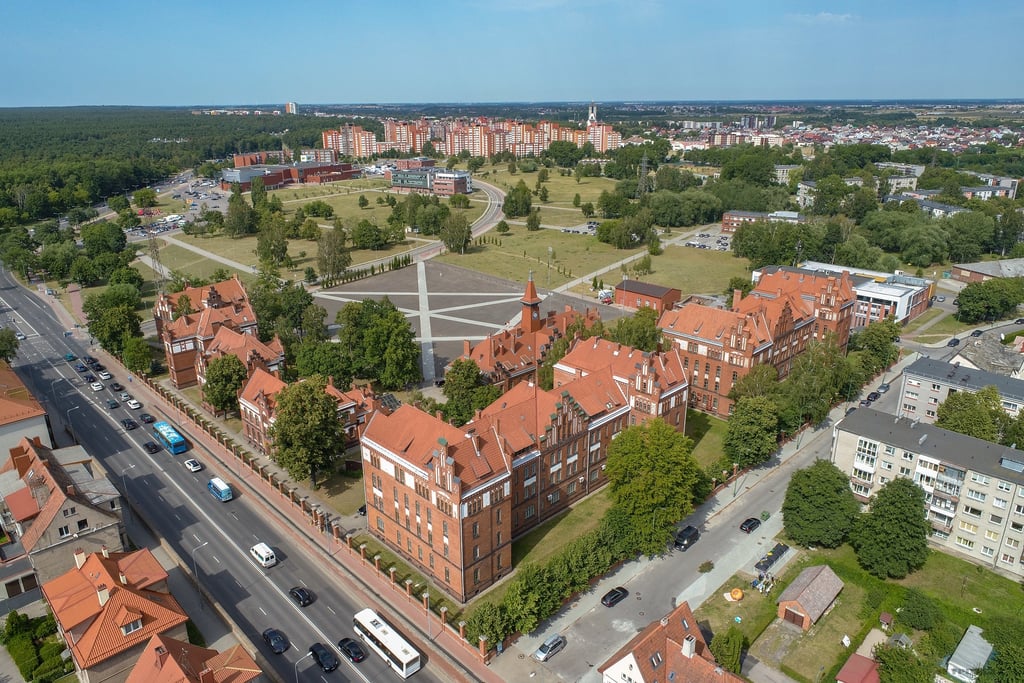
Klaipėda University’s Faculty of Marine Technologies and Natural Sciences has joined HyAcademy.eu, a Horizon Europe-funded initiative building a pan-European training platform for hydrogen energy specialists. The Faculty also received certification from The European Hydrogen Academy, confirming its readiness to contribute to hydrogen competence-building in Europe and to the education and training of highly qualified specialists.
What HyAcademy.eu is (and why it matters)
HyAcademy.eu aims to develop a Europe-wide training platform that supports the education of highly skilled hydrogen professionals and brings together universities, industry, and research centres as Europe moves towards a climate-neutral economy.
In practical terms, initiatives like this help:
Align hydrogen-related curricula and training approaches across borders
Speed up knowledge transfer between academia and industry
Build a stronger talent pipeline for the hydrogen economy
What changes for students and researchers
According to KU, participation in HyAcademy.eu will strengthen both study programmes and research activities. The most tangible outcomes KU highlights include:
Integrating new study modules focused on hydrogen technologies
More systematic development of green innovation specialists
Attracting young people concerned about the future of sustainable energy
The partnership also opens pathways for:
Student mobility, internships, and professional networking with advanced European energy sector companies
Researchers to engage more in international research projects, strengthen cooperation with leading green technology centres, and participate more actively in competitive funding calls
Assoc. Prof. Dr Dalia Baziukė, Vice-Dean for Studies, notes that joining HyAcademy.eu opens opportunities for students and researchers to engage in international projects, gain access to cutting-edge knowledge, and contribute to clean energy solutions.
A note on how this partnership was built
KU states that this partnership is the result of more than a year of consistent cooperation with EUREC (European Renewable Energy Research Centres). That detail matters because it signals this is not a symbolic membership—it’s a relationship built through ongoing work.
Why this is relevant for the region
KU frames its involvement as a strategic choice: investing in future technologies and developing regional competences in areas where Europe is already shaping the energy landscape of tomorrow.
For regions with strong maritime and industrial profiles, hydrogen is increasingly discussed as part of the future energy mix—especially where decarbonisation, port logistics, and heavy transport intersect. Strengthening local competence is one of the most practical steps universities can take to support that transition.
Takeaway
This move positions Klaipėda University to develop hydrogen competence in a way that is connected to Europe-wide standards, partnerships, and funding opportunities. For students, researchers, and regional stakeholders, it’s a signal that hydrogen skills development is becoming more structured—and more international.
Sources:
https://www.atviraklaipeda.lt/2026/01/05/ku-jungiasi-prie-europos-vandenilio-platformos/