
SKPL’s hydrogen DM90: a cross-border case for Baltic hydrogen tech export
SKPL Cargo has unveiled a hydrogen-powered DM90 conversion and completed its first run in Poland—another concrete step for hydrogen traction in rail. The project also highlights Latvia’s Digas as a contributor, offering a practical example of hydrogen technology export and cross-border collaboration.
NEWS
PtXBaltic
2/20/20261 min read
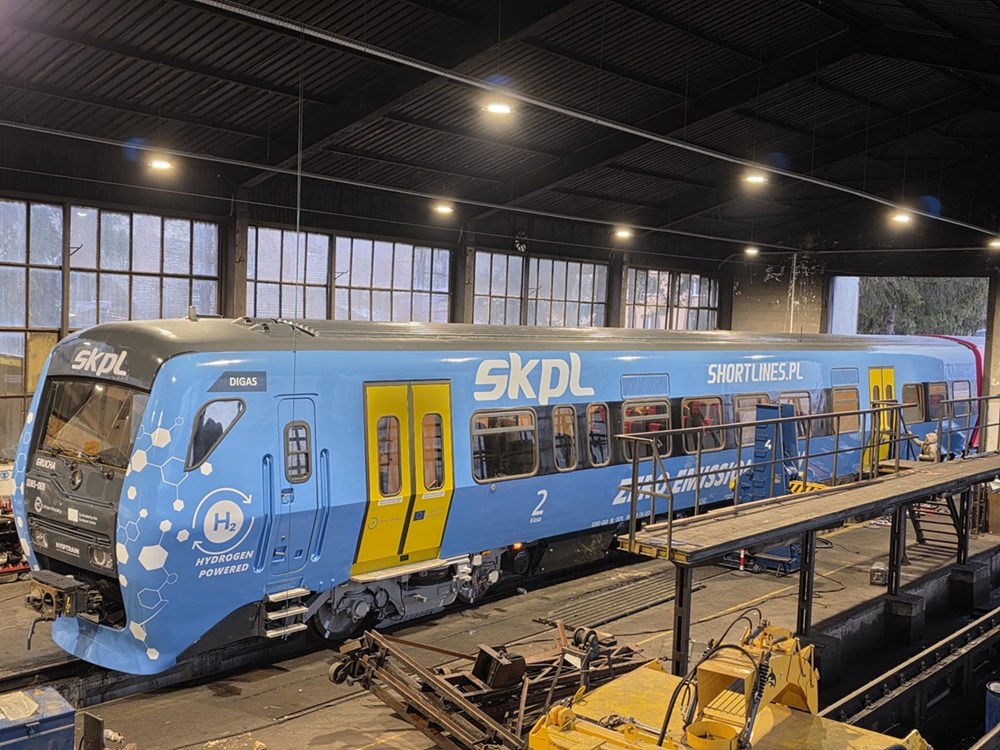
A hydrogen DM90 moves from concept to operation
SKPL Cargo has presented a hydrogen-powered DM90 railcar conversion and has already completed its first run in the Bieszczady region in Poland. The project is another practical signal that hydrogen traction is moving from pilot concepts toward real-world operations—especially in niches where full electrification is slow or uneconomic.
Latvia’s Digas as a cross-border contributor
A notable cross-border element is the involvement of Latvia’s Digas in the project. For the Baltic hydrogen ecosystem, this is the kind of reference case that matters: a Latvian company contributing know-how and components into a Central European rolling-stock application, with the end result operating on a live route. In other words, hydrogen technologies are not only being developed locally—they are being exported into projects where performance, safety, and integration requirements are tested in the field.
Why cross-border supply chains are becoming the default
From a market perspective, the DM90 conversion also illustrates why collaboration across borders is becoming the default model for hydrogen mobility. Rolling-stock owners and operators rarely build complete hydrogen systems alone; they assemble supply chains that combine vehicle platforms, storage, fuel-cell or combustion solutions, control systems, certification work, and maintenance concepts. When companies like Digas participate in these multi-partner projects, they gain operational feedback, strengthen credibility for future tenders, and help accelerate standardization across the region.
The Baltic takeaway: export-ready proof points
For Latvia and the wider Baltic-Nordic hydrogen community, the takeaway is straightforward: export-oriented participation in demonstrators and early deployments can be as strategically important as domestic pilots. Each operating vehicle becomes a moving proof point—supporting the next round of cross-border partnerships, financing, and procurement.